SD Kartlarda UHS-I VE UHS-II Teknolojisi
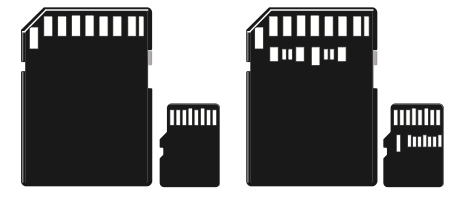
SD kartların performansını belirleyen en önemli faktörlerden biri veri yolu arayüzüdür. Piyasada standart olarak kabul edilen UHS-I kartlar, arka yüzeylerinde tek sıra temas noktasına (pin) sahiptir ve saniyede maksimum 104 MB veri aktarım hızına ulaşabilirler. Bu hız, genel tüketici elektroniği ve standart çözünürlüklü kayıtlar için endüstri standardıdır. Teknolojinin bir sonraki adımı olan UHS-II kartlar ise arkalarındaki ikinci sıra temas noktaları ile fiziksel olarak hemen ayırt edilebilir. Bu ek bağlantı noktaları, kartın veri iletişim kapasitesini artırarak hızı saniyede 312 MB seviyelerine taşır. Özellikle yüksek boyutlu RAW fotoğrafların işlenmesi veya kesintisiz 4K video kaydı gibi yoğun veri akışı gerektiren durumlarda, UHS-II teknolojisi darboğaz oluşmasını engeller. Kullanıcıların dikkat etmesi gereken nokta, UHS-II kartların getirdiği bu hız avantajından tam olarak yararlanabilmek için kameranın veya kart okuyucunun da bu çoklu pin yapısını destekleyen donanıma sahip olması gerektiğidir.
Hangi Kartı Seçmeli: UHS-I ve UHS-II Farkları
Dijital kameralar ve depolama birimleri arasındaki hız farkını anlamak için UHS (Ultra High Speed) sınıflarına bakmak gerekir. Günümüzde en yaygın kullanılan UHS-I standardı, tek sıra bağlantı noktasına sahip kartları ifade eder ve günlük fotoğrafçılık, ofis kullanımı veya Full HD video kayıtları için oldukça yeterli ve ekonomik bir çözümdür. Ancak profesyonel iş akışlarında gereksinimler arttığında devreye UHS-II standardı girer. Arka kısmında iki sıra bağlantı pini bulunan UHS-II kartlar, birinci nesle göre üç kat daha yüksek okuma ve yazma hızları sunar. Bu yüksek performans, özellikle saniyede çok sayıda kare çeken spor fotoğrafçıları ve yüksek bit değerine sahip video içerik üreticileri için kayıt sürelerini kısaltarak büyük avantaj sağlar. UHS-II bir kart, standart yuvalarda çalışabilse de, vadedilen yüksek hızlara ulaşmak için mutlaka UHS-II uyumlu bir cihazda kullanılması önerilir.
UHS-I AND UHS-II Technology in SD Cards
One of the most important factors determining SD card performance is the bus interface. UHS-I cards, which are accepted as the market standard, feature a single row of contact points (pins) on their back surface and can reach a maximum data transfer speed of 104 MB per second. This speed is the industry standard for general consumer electronics and standard-resolution recordings. UHS-II cards, the next step in this technology, can be immediately distinguished physically by the second row of contact points on their back. These additional connection points increase the card's data communication capacity, boosting speeds to levels of 312 MB per second. UHS-II technology prevents bottlenecks, especially in situations requiring intense data flow, such as handling large-sized RAW photos or continuous 4K video recording. The key point users need to be aware of is that to fully benefit from the speed advantage of UHS-II cards, the camera or card reader must also have hardware that supports this multi-pin structure.
Which Card to Choose: The Differences Between UHS-I and UHS-II
To understand the speed difference between digital cameras and storage units, it is necessary to look at the UHS (Ultra High Speed) classes. The UHS-I standard, widely used today, refers to cards with a single row of connection points and is a highly sufficient and economical solution for daily photography, office use, or Full HD video recordings. However, when requirements increase in professional workflows, the UHS-II standard comes into play. Featuring two rows of connection pins on the back, UHS-II cards offer read and write speeds three times higher than the first generation. This high performance provides a significant advantage by shortening recording times, particularly for sports photographers shooting many frames per second and video content creators working with high bitrates. Although a UHS-II card can function in standard slots, it is strongly recommended to use it with a UHS-II compatible device to achieve the promised high speeds.